
31°C, New York


Notification products, updates
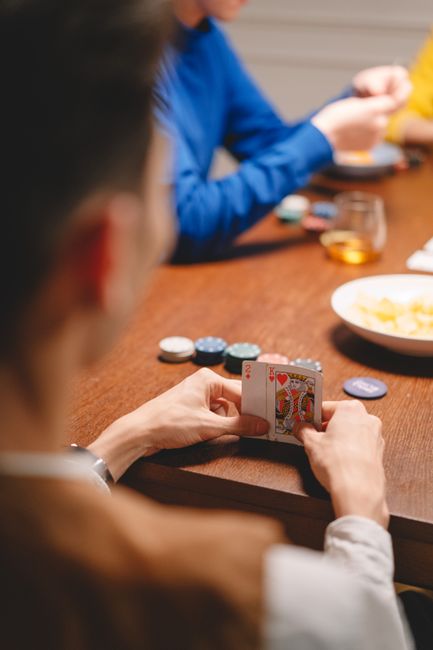
Every casino floor tells the same lie, just in different fonts. The lie is that the next spin, the next hand, the next roll is somehow due. It's a comforting story, and the industry has spent decades polishing it. But if you want to survive the tables and machines long enough to actually enjoy the ride, you need to understand one brutal distinction: which games reward decisions and which games only reward hope. Let's break it down.
Think of the house edge as the cover charge for playing. It's the mathematical slice the casino keeps from every bet over the long run. It doesn't care whether you won last Tuesday. It doesn't care that you're wearing your lucky socks. It just churns quietly in the background.
Here's roughly what that tax looks like on popular games:
The gap between American and European roulette is a perfect example. Same wheel shape, same chips, but one extra pocket quietly doubles your expected losses. That's not luck. That's a design choice you can walk away from.
Slots are pure chance. You pull, you pray, the algorithm decides. No amount of leaning on the machine or tapping the screen changes the RNG outcome. A machine that hasn't paid out in three hours is no more likely to pay out than one that just showered a stranger with coins.
Blackjack, poker, and baccarat sit in a different category, though baccarat's decisions are laughably narrow. In blackjack, basic strategy is a documented set of correct plays for every hand combination, and following it shaves the house edge down to about half a percent. Deviating because you have a \"hunch\" on a hard 16 against a dealer's 10 usually costs you money over time.
Poker is the outlier. You're not playing the house, you're playing opponents. Skill compounds as your hand-reading, position awareness, and bankroll discipline improve. That's why professional poker exists while professional slot playing does not, at least not in any honest sense.
Volatility. A high-volatility slot can go cold for an hour and then dump a 500x return in seconds. That unpredictability is exactly why people lean in, press the spin button faster, and burn budgets that were meant for dinner. Understanding volatility isn't a strategy; it's emotional armor. If the swings make your hands shake, the game owns you. สล็อตเว็บตรง is a solid starting point for anyone new to this.
Sports betting sits in a middle zone. Lines are set by sharp bookmakers, so the average punter faces a negative expectation. But there's room for identifying inefficiencies. A few concrete angles that hold up better than gut feel:
None of this guarantees profit. It just means you're making decisions instead of buying lottery tickets with a sports logo on them.
You can play perfectly and still go broke if your bet sizing is reckless. The pros treat bankroll management as the actual skill, and the game as the arena. A few principles worth internalizing:
Consistency beats heroics. A grinder who wins 52% of their decisions will outlast a thrill-seeker who wins big once and punts it all back the following weekend.
Casinos are engineered to exploit cognitive biases. Near-misses on a slot reel, the sound of cascading coins even on digital machines, the way a blackjack table erupts when someone hits a long shot; all of it feeds the illusion that you're influencing outcomes.
Tilt is the real enemy. In poker, tilt is losing composure after a bad beat and then playing worse hands than you should. In blackjack, it's raising your bet after a loss because you're \"owed.\" In sports betting, it's chasing a lost accumulator with a reckless single. The pattern is always the same: emotion overrides process.
The fix is boring but effective. Write your plan down before you play. Stick to it. Review what worked and what didn't. If you can't review it calmly, you weren't playing a skill game; you were donating to one.
Nobody beats the house edge on slots. That's not cynicism; it's arithmetic. But you can absolutely improve your outcomes in blackjack with basic strategy, in poker with study and discipline, and in sports betting with genuine knowledge of the leagues you follow. The rest is entertainment, and entertainment has a price tag. Pay it knowingly, keep your cool, and treat the games with skill as puzzles worth solving rather than ATMs that owe you a payout. That mindset won't make you a millionaire, but it'll keep you in the game long enough to enjoy it.

Forge Muse shares practical, down-to-earth guidance on traditional crafts and modern making for uk makers for readers across the UK.
Stay Tuned With Updates


Leave A Comment